Waxing skis in the workshop: by iron or by machine
Waxing protects the base and improves glide. In the ski workshop, two approaches coexist: manual waxing with an iron and the waxing machine. Here are their differences and the equipment that goes with them.
The steps of hot waxing
The ski wax is applied to the clean base and left to cool, then the excess is scraped off with a plexi scraper and the base is brushed. The matching equipment is in the waxing tools: scrapers, scraper sharpeners, brushes, tables and irons.
Choosing the wax
Ski wax is chosen according to the snow temperature. The Holmenkol references in the catalogue give their range in their designation, for example Alphamix yellow 0 / -4 °C, Betamix red -4 / -14 °C or Ultramix blue -8 / -20 °C.
Moving to a waxing machine
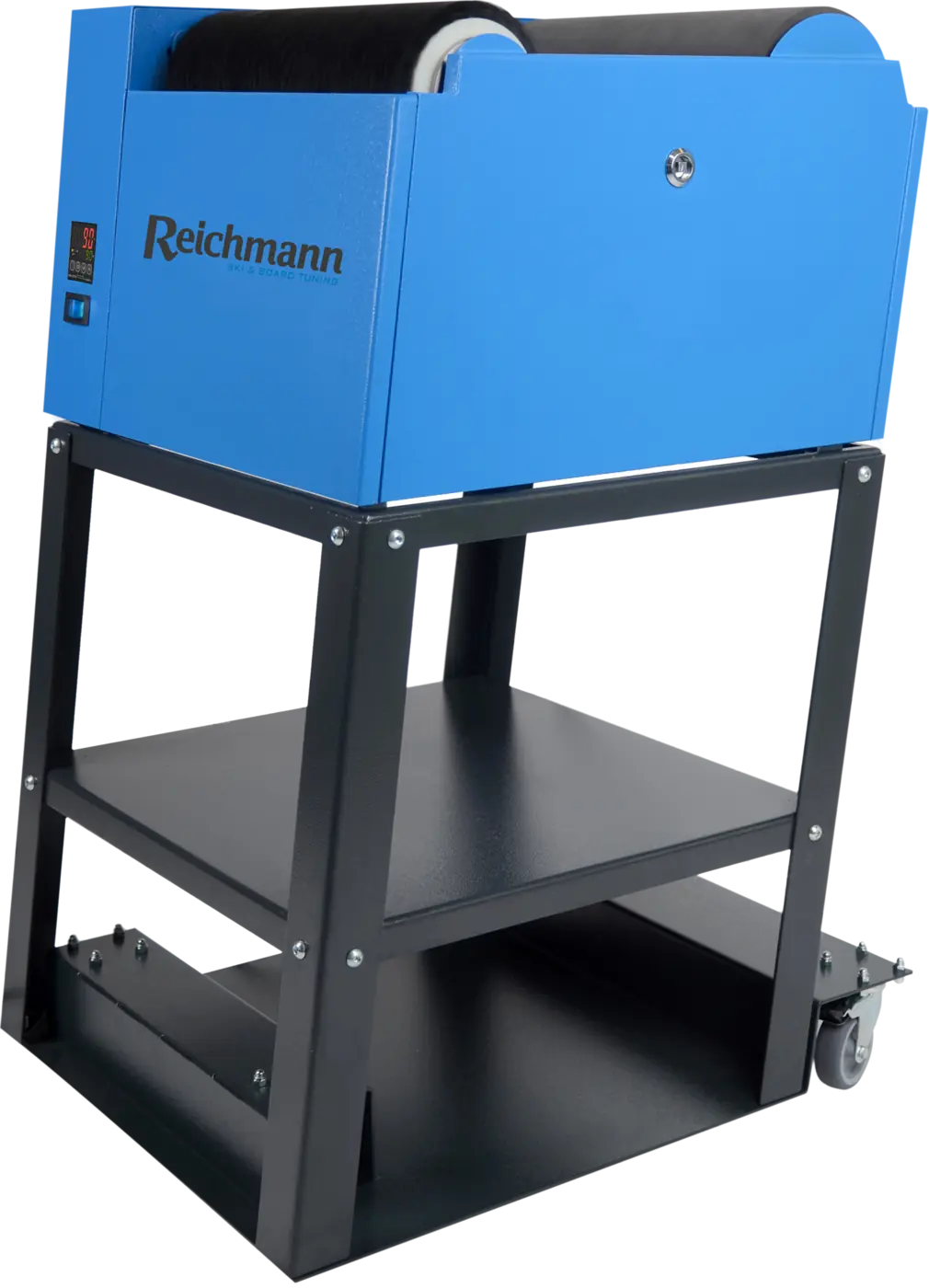
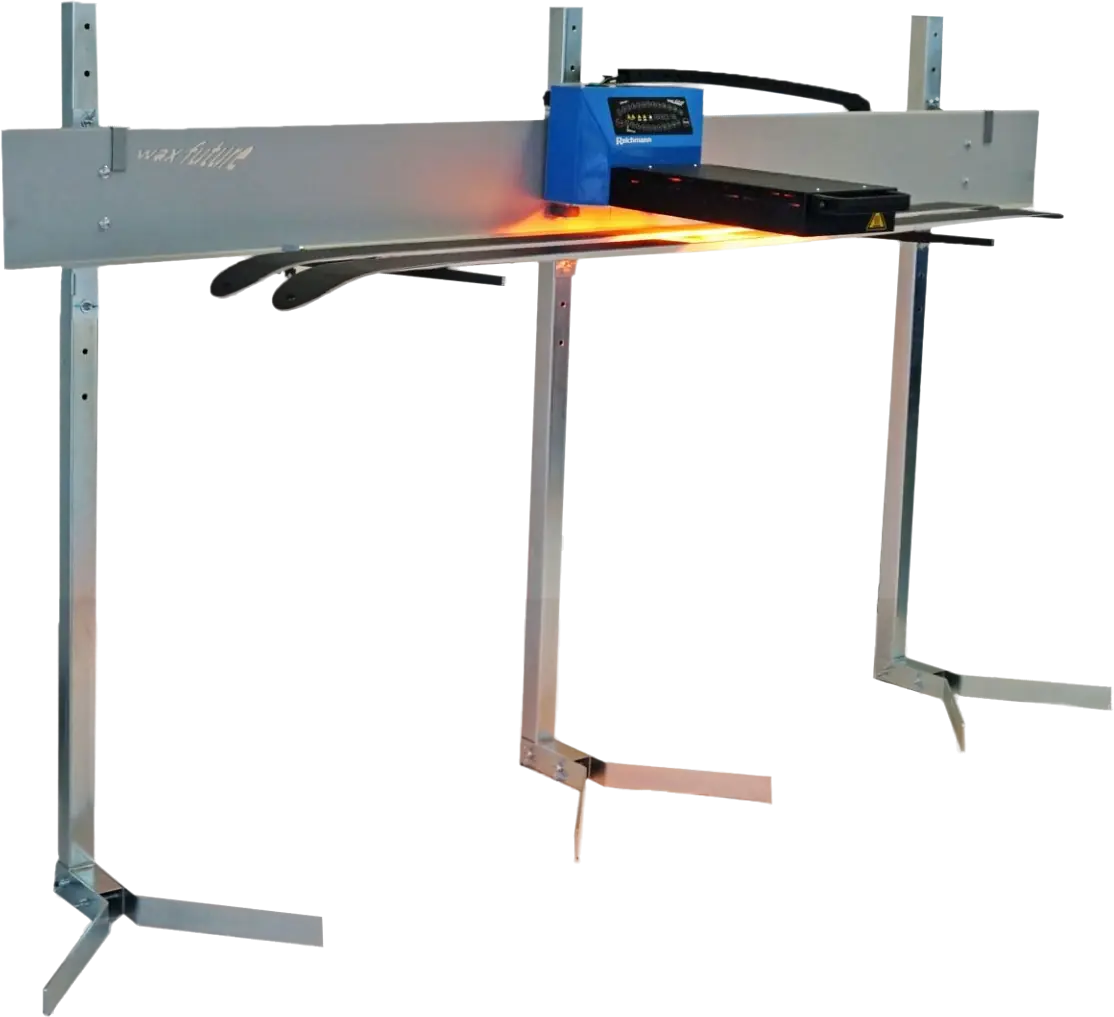
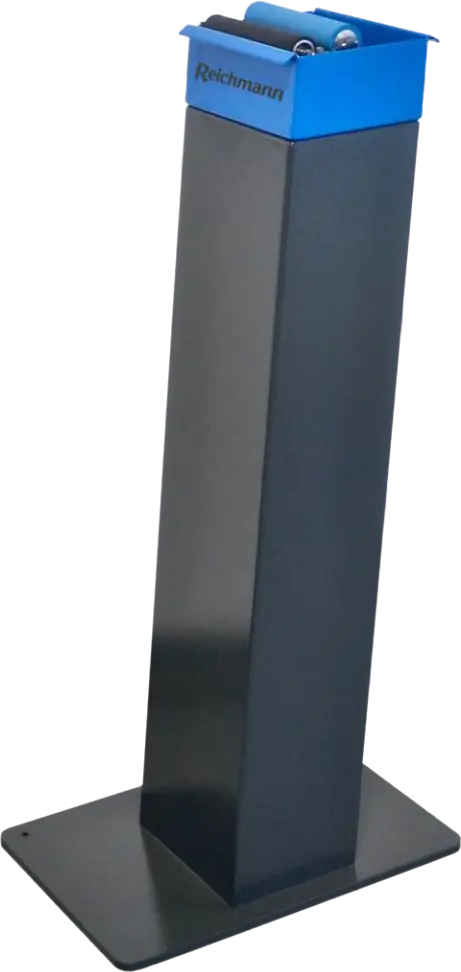
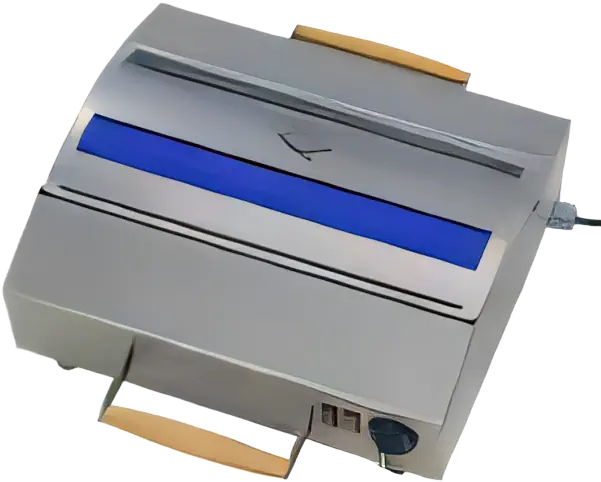
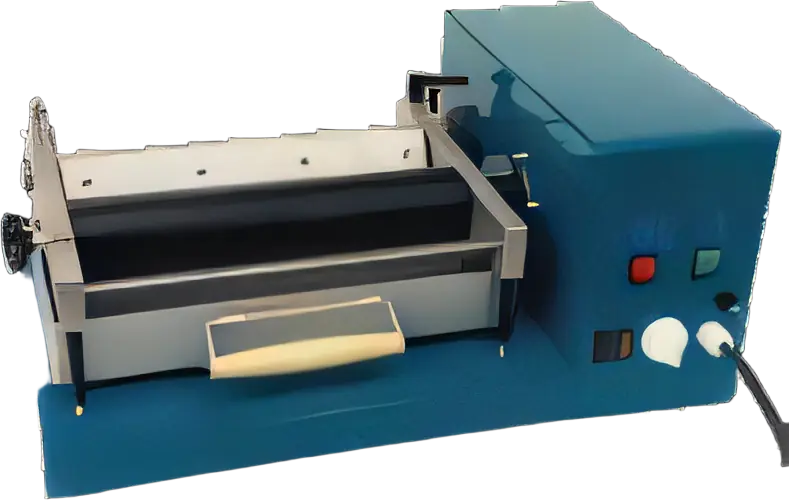
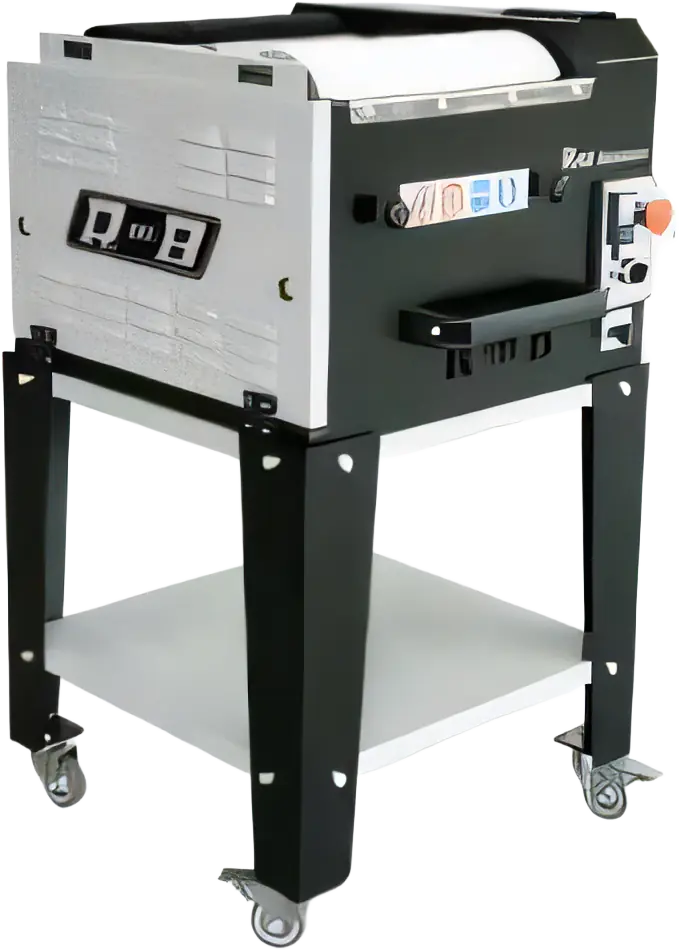
A waxing machine applies the wax evenly. According to the BWM 350 C Digital sheet, roller application clearly reduces wax consumption compared with manual waxing with an iron. Alternatives exist: the WAXPRO 160 bath waxing machine, the Wax Future Speed II infrared unit or the Glide Master, which applies a glide fluid cold with no heating or brushing.
In a robot, waxing is part of the continuous process: see the robots and ski servicing in the workshop.
Frequently asked questions
Does a waxing machine replace the iron?
For a workshop that waxes many pairs, the machine saves time and evens out the application. The iron remains useful for special cases. The two complement each other.
Where can you find professional ski wax?
Chatex distributes the Holmenkol range (wax bars, liquids, pellets and wax removers) for professionals, on quotation.
Planning a ski workshop? Let's talk.
Chatex advises ski rental shops, sports stores and ski workshops: machine selection, sizing, installation. All our references are offered on quotation.